 Lou Bichard
Everyone's becoming a platform engineer.
The software factory is here. Now what?
Before I tell you a story about software factories, I want to take you back to 2023. Specifically two weeks post GPT-4. But, why? Because software factories have been a long-running obsession of mine and I'd like to think the following prophecy came true. In fact it's a good summary of the problems the entire industry is now wrestling with. Back then, people thought I was crazy. By the end of today's newsletter, I'll make another prophecy, but this time for the future of platform engineers, so stick with me.
Ever since this day I've been imagining a world where I sit 'on the loop' designing the feedback system while agents ship. In a way the mad fantasies of a platform engineer, designing the perfect system that self-heals, auto-conforms to standards. The perfect 'platform'.
In January, I built it.
Agents raised issues, PRs and reviewed their own code. To push the idea to the extreme, I chose the hardest product I could think of: a bank. And so 'the bank that builds itself' was born. A few days later the bank was off, raising its own PRs, and building itself.

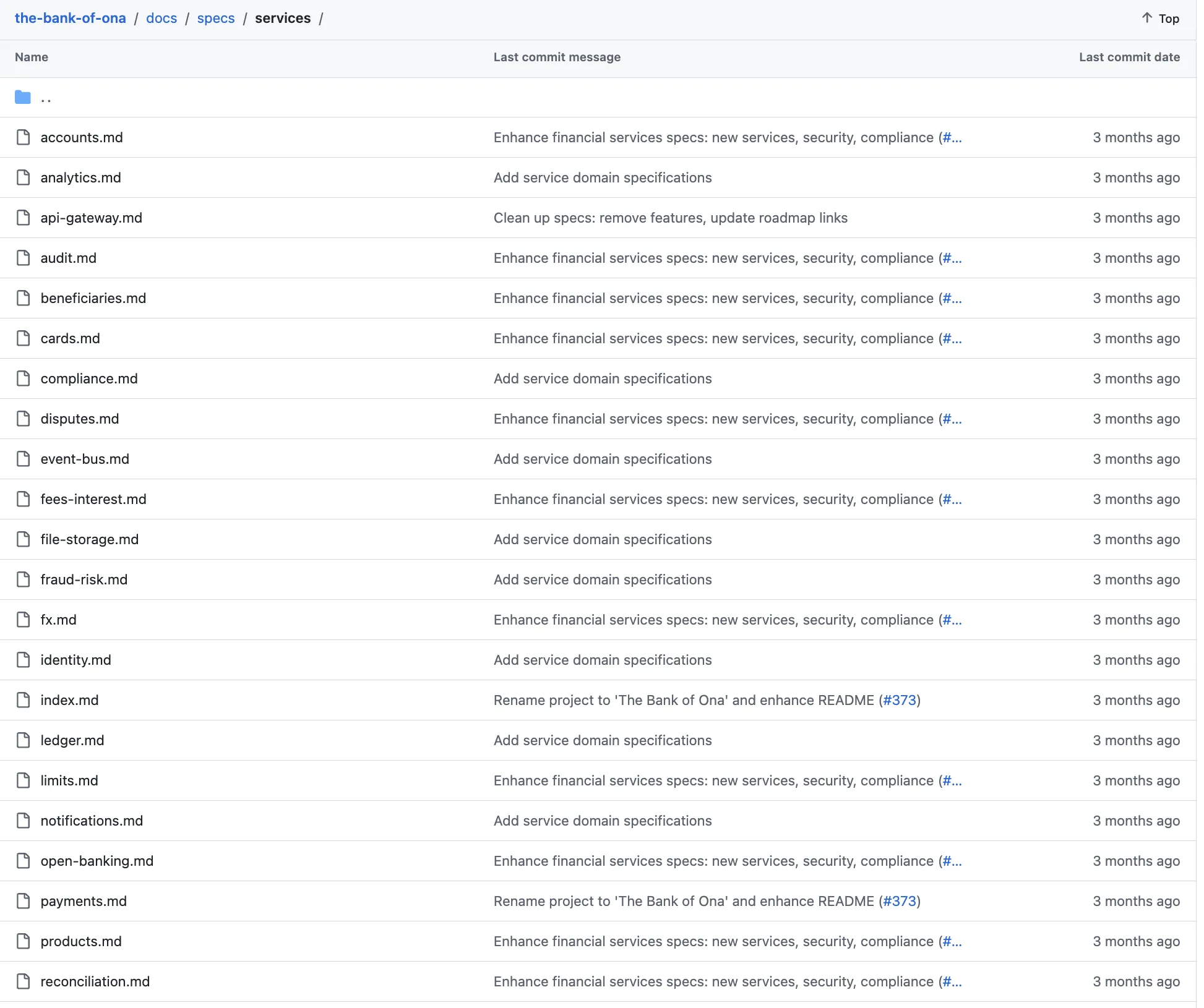
But, why do I bring this up? Because, a few months after, it seems the folks at OpenAI had been doing something very similar. They called it harness engineering. The idea was the same: don't write a single line of code. Instead, design the system agents run on. If the agents go off course, blame the system, add scripts, tests, and try again. Then repeat ad infinitum.
But, as a former platform engineer, one particular line stood out to me: "This is the kind of architecture you usually postpone until you have hundreds of engineers. With coding agents, it's an early prerequisite: the constraints are what allows speed without decay or architectural drift."
From my own experiments and reading what OpenAI had done it's clear to me where the puck is heading: every engineer is now a platform engineer.
Let me explain. For years, when asked about when a company should invest in platform engineering, I've recommended Hazel Weakly's fantastic post so you want to hire for developer tooling. In the article, she maps engineering headcount to infrastructure maturity:
- documentation becomes necessary at 15 engineers
- a dedicated infra specialist makes sense at 50
- a nascent internal platform at 150
- fully independent specialist teams at 500
- embedded expertise across the entire org at 1500
With agents? This math no longer works. Not only do agents allow individuals to ship at the speed of multiples, but agents follow standards far more obediently than a department of engineers ever did. And whilst at this point someone is bound to say "Yeah, right. But have you ever used an LLM? They frequently ignore what you ask of them".
And to that I would agree, agents commonly skip steps as they're eager to please. But the whole premise of harness engineering is wrapping these non-deterministic agents with backpressure and scripts to ensure the agent conforms, that's the point. Agent wrangling.
So where does this leave us? I believe history is about to repeat itself. We're about to go back 10 or 15 years to when platform engineering (in its modern form) started to take shape. All of the ideas we've crafted about golden paths, infra as code, platform as a product are all about to be re-invented from first principles by engineers who weren't along for the ride the first time.
So here's my prophecy: for many organisations things will get worse, before they get better. Organisations will have engineers re-build internal tools because they can, proliferate standards because their agents had no idea a standard exists, and sprawl will multiply. Just as they felt the pain 10 years ago and turned to platform engineering, the same will happen now. Except we'll see organizations far smaller than ever before re-learning the lessons of platform engineering.
All this considered, what's the antidote? It's empathy, as it always was. The best insights for platform teams I have always said, have come from 'sitting with your developers' and walking a mile in their shoes, feeling their pain and solving for it. Now, we need to 'sit' with our agents. The only way to truly understand how to manage, and govern a software factory is to build one yourself. Because whether your company is actively building a software factory or not, that's where this is all heading. Take a project and run your own harness engineering experiment. Fight the urge to write a single line of code. Focus on standards, scripts and backpressure. In many ways, it's exactly the same, but in so many more ways, it's entirely different.
These past two weeks, my colleague Zach has been re-building a software factory in public for an app called memo. Every line has been written by agents. Working in the background, continually. Zach is the platform engineer, building the harness. We live-streamed every day for the last 2 weeks and published it all on software-factory.dev. But if streaming is not your thing, I also wrote background-agents.com, which has info from companies like Stripe, Ramp and others building with agents in the background, orchestrated by events and triggers. We're now even running a summit to tell these stories. And you should join us.
Related blogs
What we learned at the Background Agents summit
Over two days and thirteen sessions, speakers from Stripe, Uber, Monzo, Cloudflare, and more converged on the same architecture for production agent infrastructure.


Ona is the background agent infra Ramp had to build
Stripe built their agent platform before GPT-3 existed. Ramp hand-rolled theirs on Modal and Cloudflare. Here's the full stack breakdown to help you weigh build vs buy.

The rise of the citizen developer
Figma made everyone a designer. Standardized environments, optimized for agents, do the same for software.
